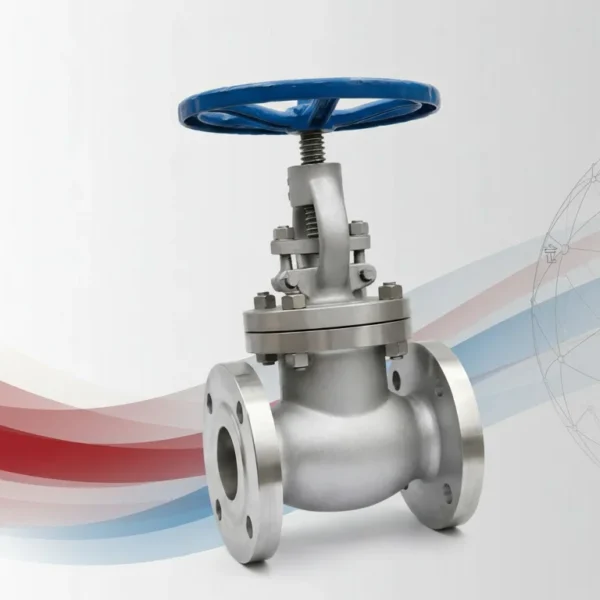
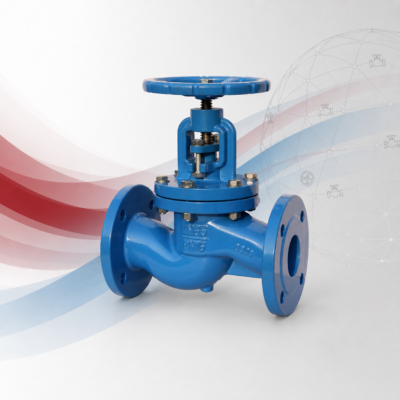
The API Stainless Steel Globe Valve is a heavy-duty regulation and isolation device designed for critical service environments. Constructed from durable ASTM A351 (CF8) stainless steel with high-temperature alloy trim, it meets rigorous American Petroleum Institute and ASME standards for safety, performance, and longevity in high-pressure and high-temperature applications.
Technical Specifications
Nominal Size (NPS): 2″ – 24″ (DN50 – DN600)
Pressure Rating: Class 150, 300, 600, 900, 1500, 2500
Applicable Medium: Water, Steam, Oil, Fuel, and Corrosive Fluids
Suitable Temperature: Up to 850°F (454°C) depending on specific trim and pressure class
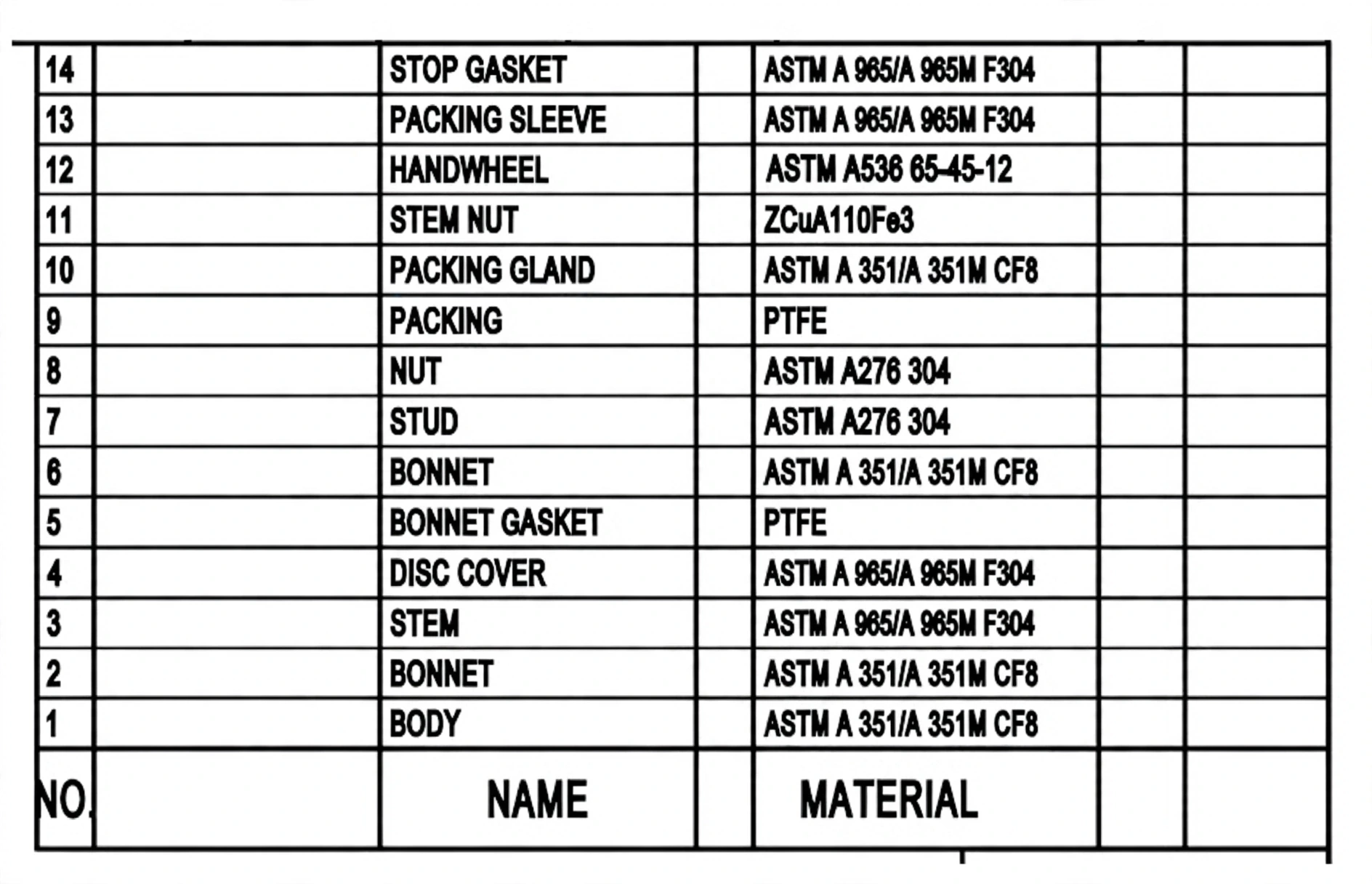
Main Parts and Materials:
Parts Name
Materials
Body, Bonnet
ASTM A351
Disc
ASTM A351
Stem
ASTM A965
Seat Ring
ASTM A351
Key Product Features:
Universal Trim Design: Features a 13Cr stem and disc with CoCr alloy-faced seats (API Trim 8), suitable for service up to 850°F (454°C). Seat faces are ground and lapped to a mirror finish for tight shut-off.
Non-Rotating Stem: The unique non-rotating stem design prevents galling and is easily adaptable for actuation, featuring precision Acme threads and a burnished finish.
Precision Construction: Body and bonnet castings are precision machined with a one-piece bonnet design for better alignment. The stuffing box and body-bonnet joint are machined to a fine surface finish to ensure a fully enclosed, leak-tight gasket seal.
Versatile Configurations: Available in Straight, Y-type, and Angle body patterns, with options for rising or non-rotating rising stems.
High-Pressure Capability: Covers pressure classes from 150 to 2500, suitable for critical isolation and throttling services.
Typical Applications:
Cooling water systems requiring flow regulation.
Fuel systems where flow regulation and tightness are critical.
High-point vents and low-point drains for safety and tightness.
Boiler discharge ports, main steam discharge, and heater drain pipes.
Turbine seals, drain pipes, and lubricating oil systems.